
In the world of heavy equipment, electronic control systems are the nervous system of the machine. When they fail, downtime can be costly. We spoke with James Denney of RE-CLICK, a repair service specializing in control circuit boards, joysticks, and sensors, to get practical advice on diagnostics, repair decisions, and maintenance.
Question 1: What are the most common control circuit board failures you see in heavy equipment, and how do you diagnose them?
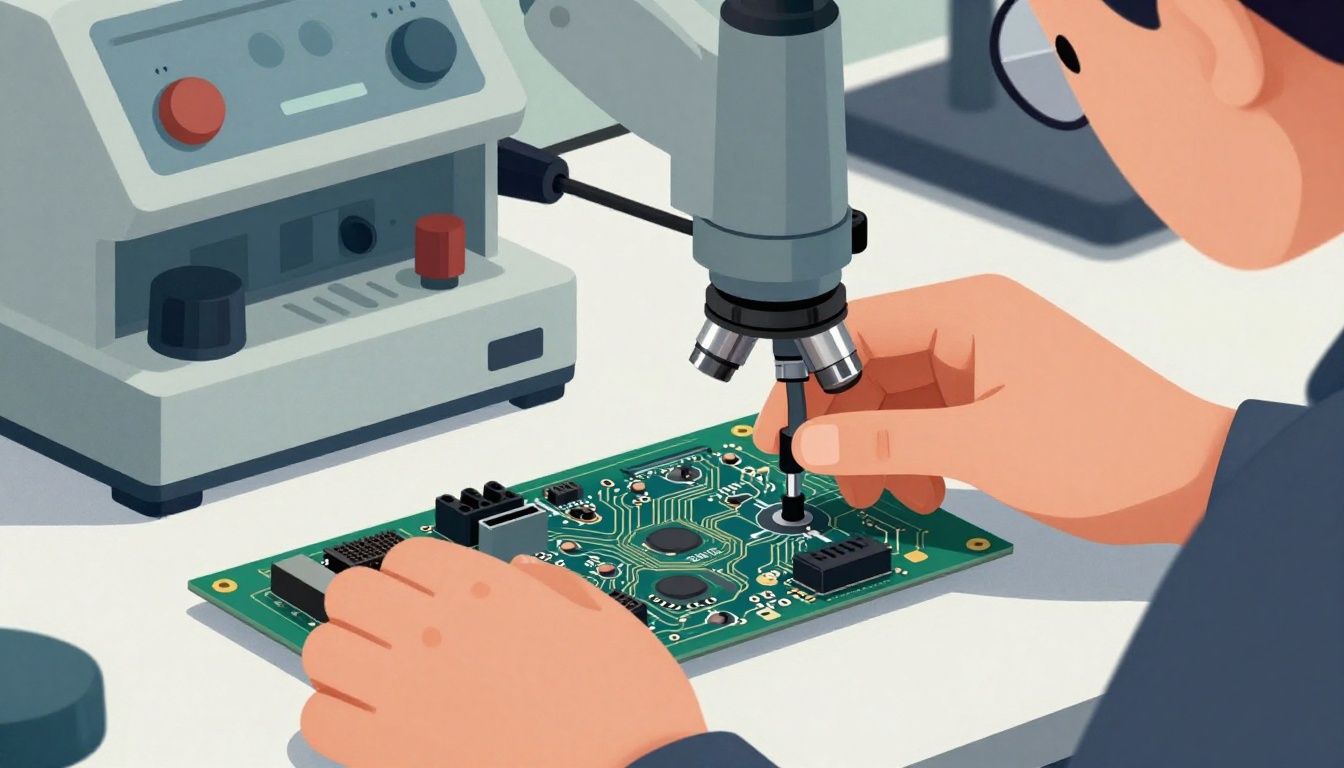
According to Denney, the most frequent issue is mechanical: "The most common issues seen on control circuit boards are broken solder joints." These can cause intermittent functions or erratic behavior. RE-CLICK's diagnostic process involves testing and tracing circuits to find failure points, often using a microscope for inspection. Another common problem is subpar OEM components. "Another issue we see is subpar components used by OEMs that just can't stand up to wear and tear, such as buttons or switches which are not rated for water or dust resistance." These are easier to diagnose because they typically fail mechanically.

Diagnose Your Control System
Our resident expert from RE-CLICK helps you pinpoint equipment control issues. Complete this quick questionnaire to receive tailored advice for your specific situation.
Question 2: When should an operator choose repair over replacement for a joystick or control board?
Denney offers a clear rule of thumb: "We normally suggest repair as long as the cost is less than half the cost of a new joystick or board." However, certain conditions complicate repairs. Heavy epoxy potting and battery failures that weren't addressed early are major concerns. "The cost to remove the epoxy, clean the board, and test for acid damage increases the time required to diagnose issues." When battery leakage is found, there's always a risk of unseen damage, so RE-CLICK advises customers based on the extent of corrosion visible.
Question 3: What does your typical repair process look like from diagnosis to return, and what turnaround time can customers expect?
RE-CLICK's process is streamlined. "Depending on the job, most of the time once we have the item in hand, it will be cleaned and inspected within 1 to 2 business days." After a full inspection, they compile a list of concerns and a rough cost estimate, then discuss with the customer whether repair or replacement is best. If replacement is chosen, they provide quotes from multiple dealerships. If repair is selected, specialty components are ordered, usually arriving in 1-2 days. "Once we have everything in stock, we can typically complete the repair within one business day." For known issues like failed buttons or switches, the job can be finished in 1-2 days.
Question 4: What are early warning signs that an electronic control component is starting to fail before it shuts down completely?
Denney highlights a critical warning sign for wireless controls: "A major warning sign is the inability to run on battery power for wireless controls." Many operators use a tether wire as a backup, but if the battery has failed and is leaking internally, it can severely damage the circuit board. Other signs include "buttons sticking when you press them or not registering every press, or switches that work but require you to toggle them on and off several times." Catching these early can prevent more extensive damage.
Question 5: For fleet managers, what approach to electronic repairs helps minimize downtime across multiple machines?
Denney's advice is straightforward: "Preventative maintenance! You do oil changes and inspections on schedule; your electrical controls are the same thing." He recommends checking remote controls every six months to a year, paying attention to rubber gaskets that can fail due to temperature fluctuations. For joysticks and boards, protection from the elements is key. "Rain, snow, and dust will do a lot of damage if not taken care of." A proactive approach can prevent small issues from becoming major failures.
For more insights on maintaining electronic control systems, explore resources on control system diagnostics and preventive maintenance for electronics. Fleet managers can also benefit from guidelines on heavy equipment maintenance.